

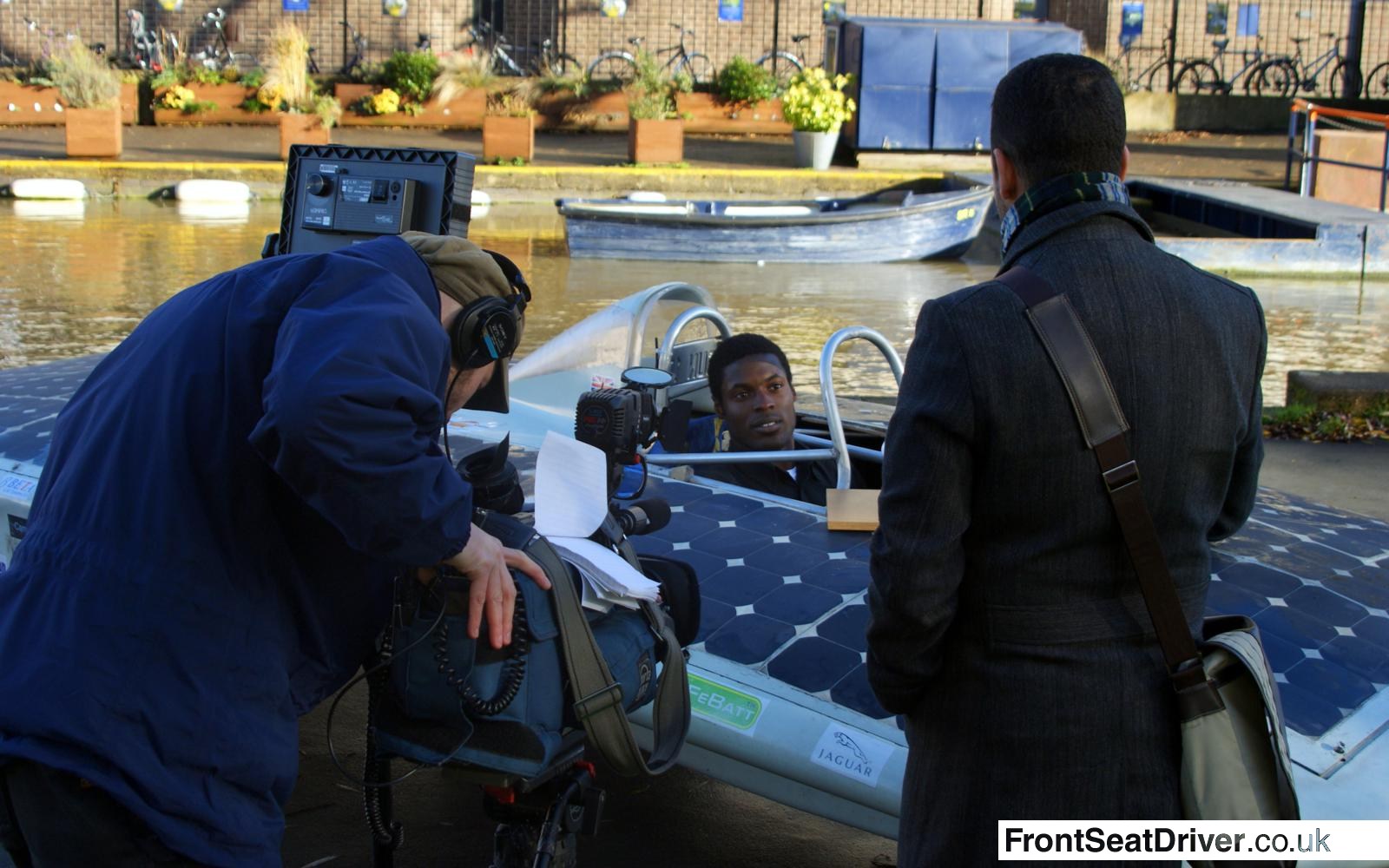
Some time ago I took a drive in Honda’s hydrogen fuelled FCX Clarity with a value measured in millions. I didn’t think I’d be driving anything quite so futuristic again for some time, but recently I was given the chance to drive the Cambridge University Eco Racing teams World Solar Challenge contender.
The Endeavour saw service in both the 2009 race and in revised form once again in 2011. At the launch of Daphne, the 2013 challenger which is still under development and not expected to turn its first wheel until well in to the new year, I was metaphorically passed the keys to the outgoing model. It would have been rude to say no.
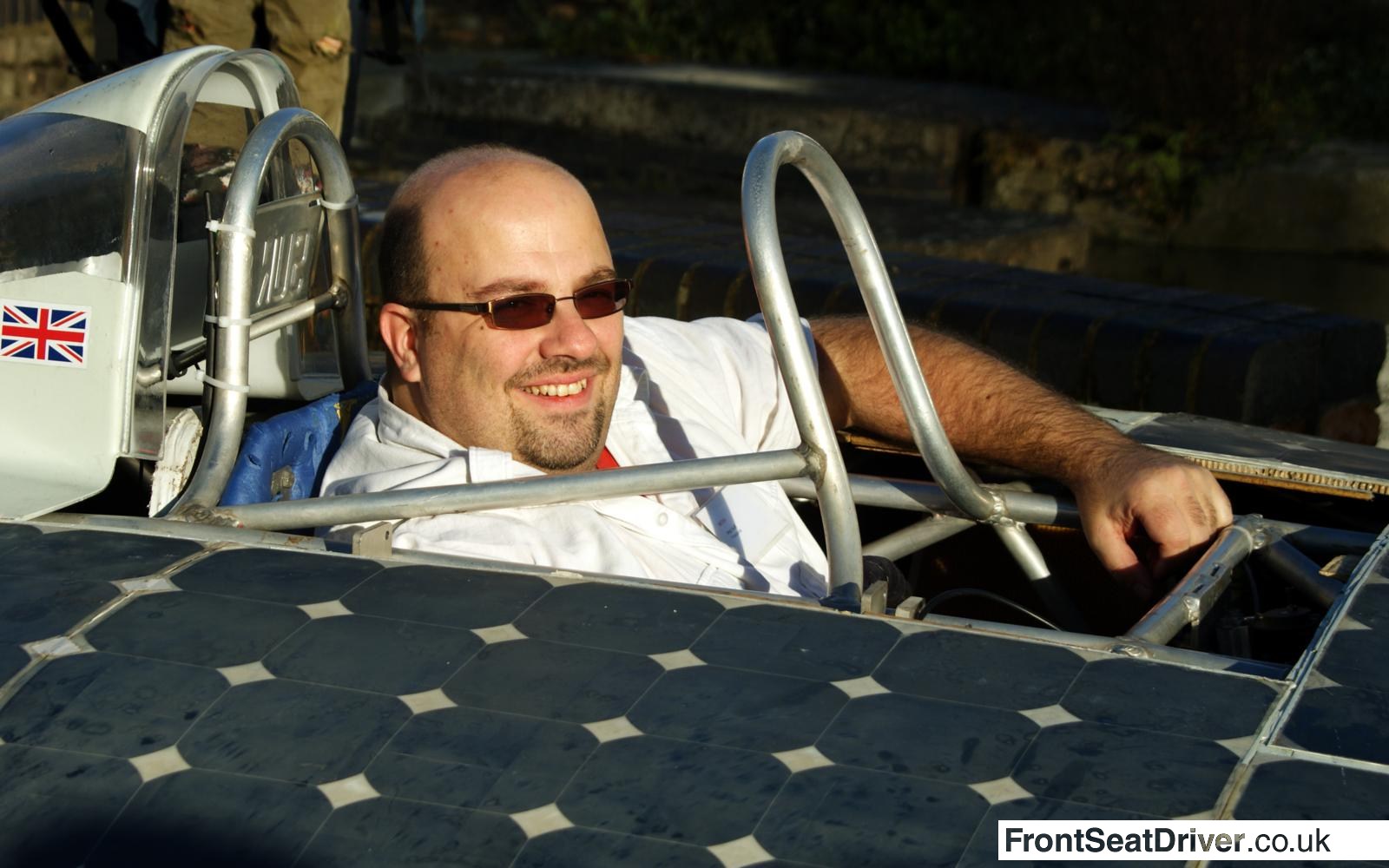
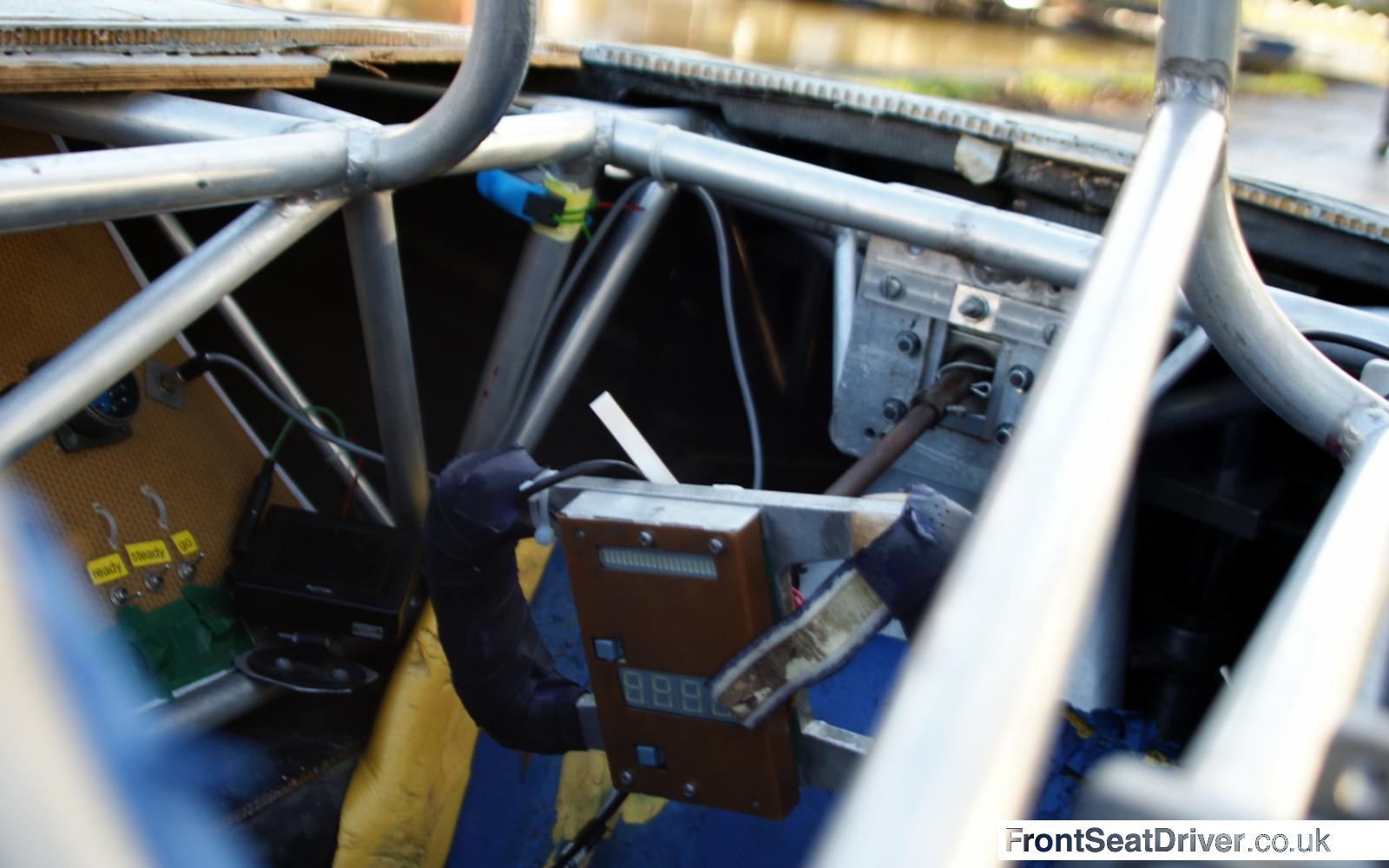
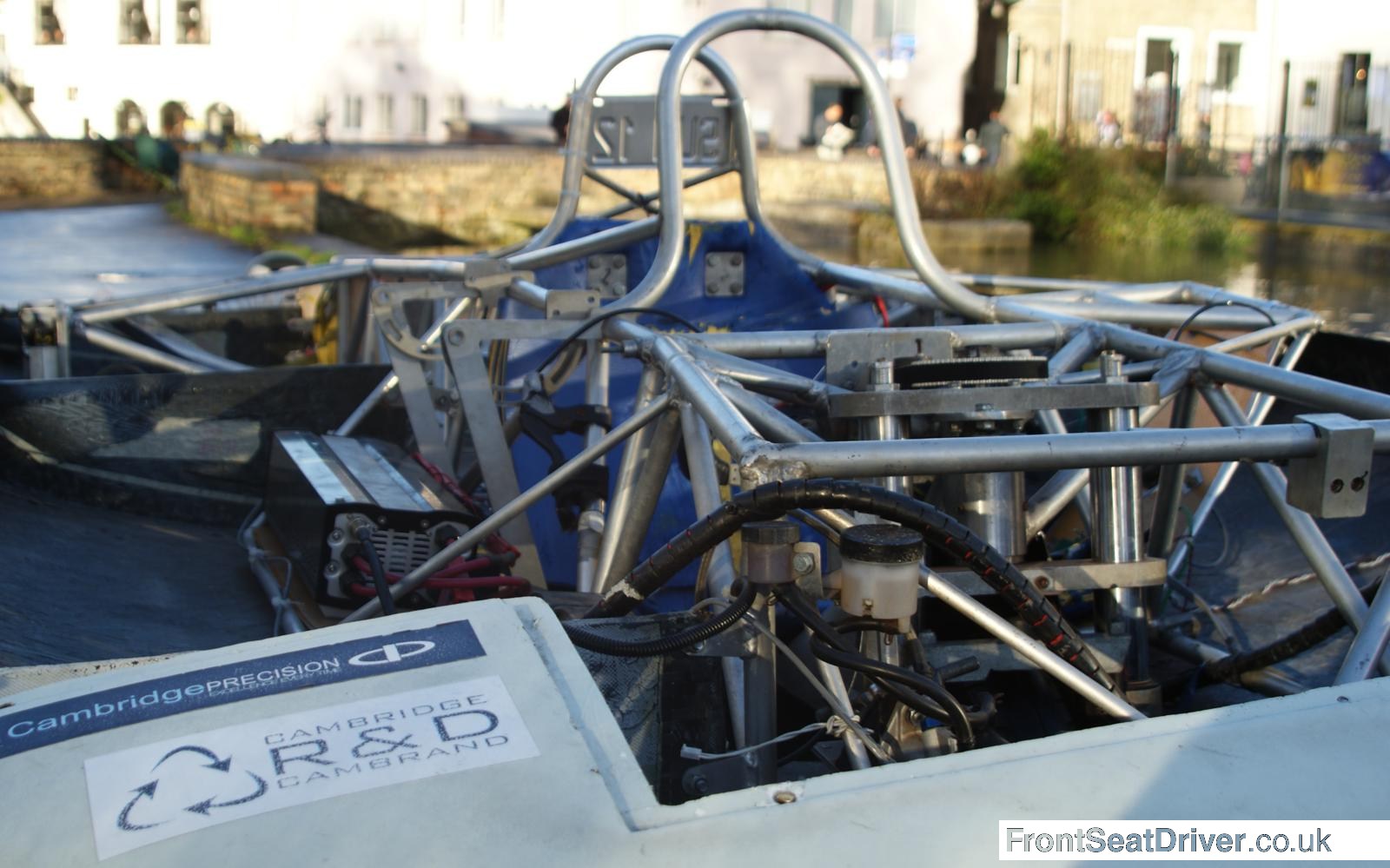
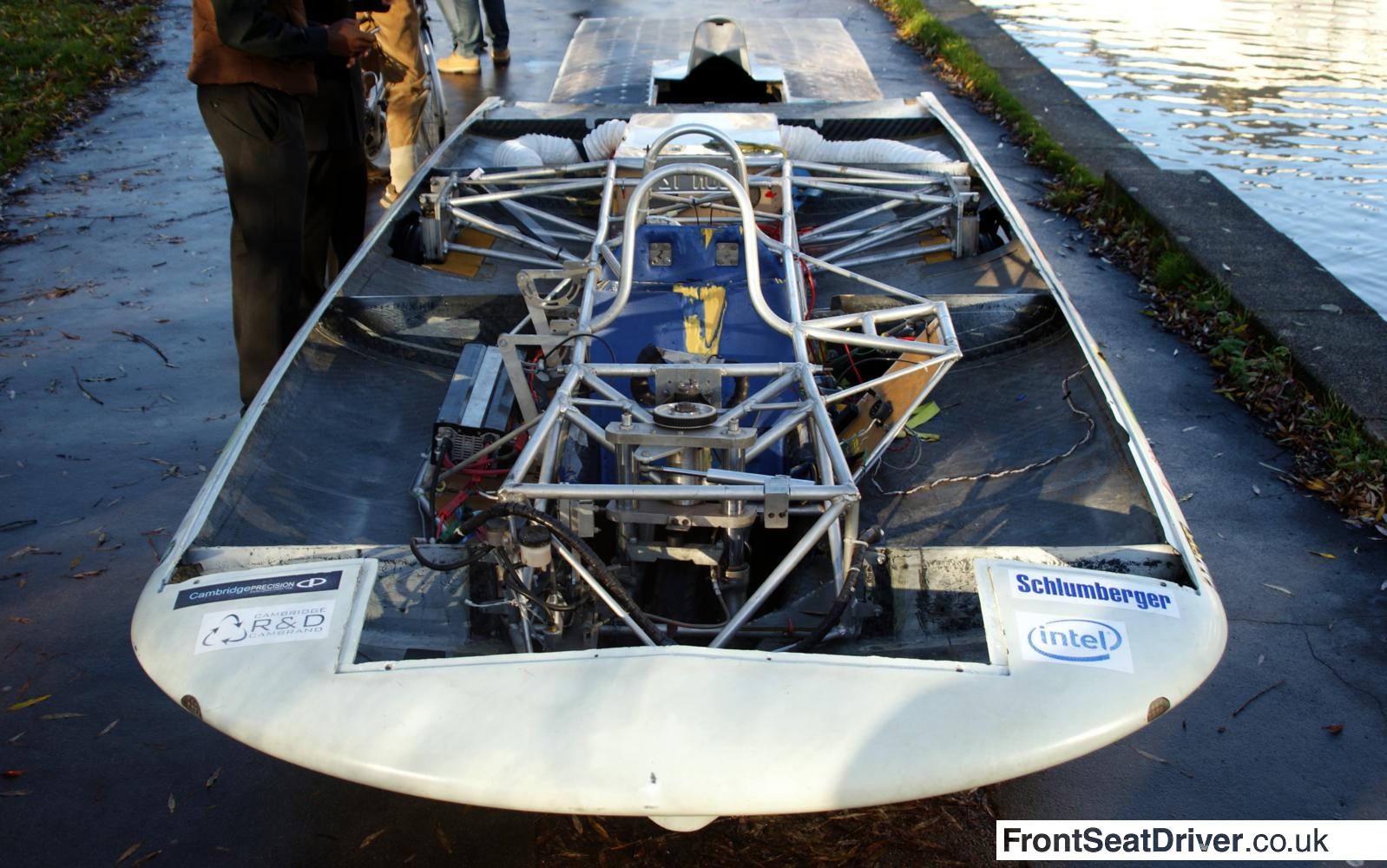
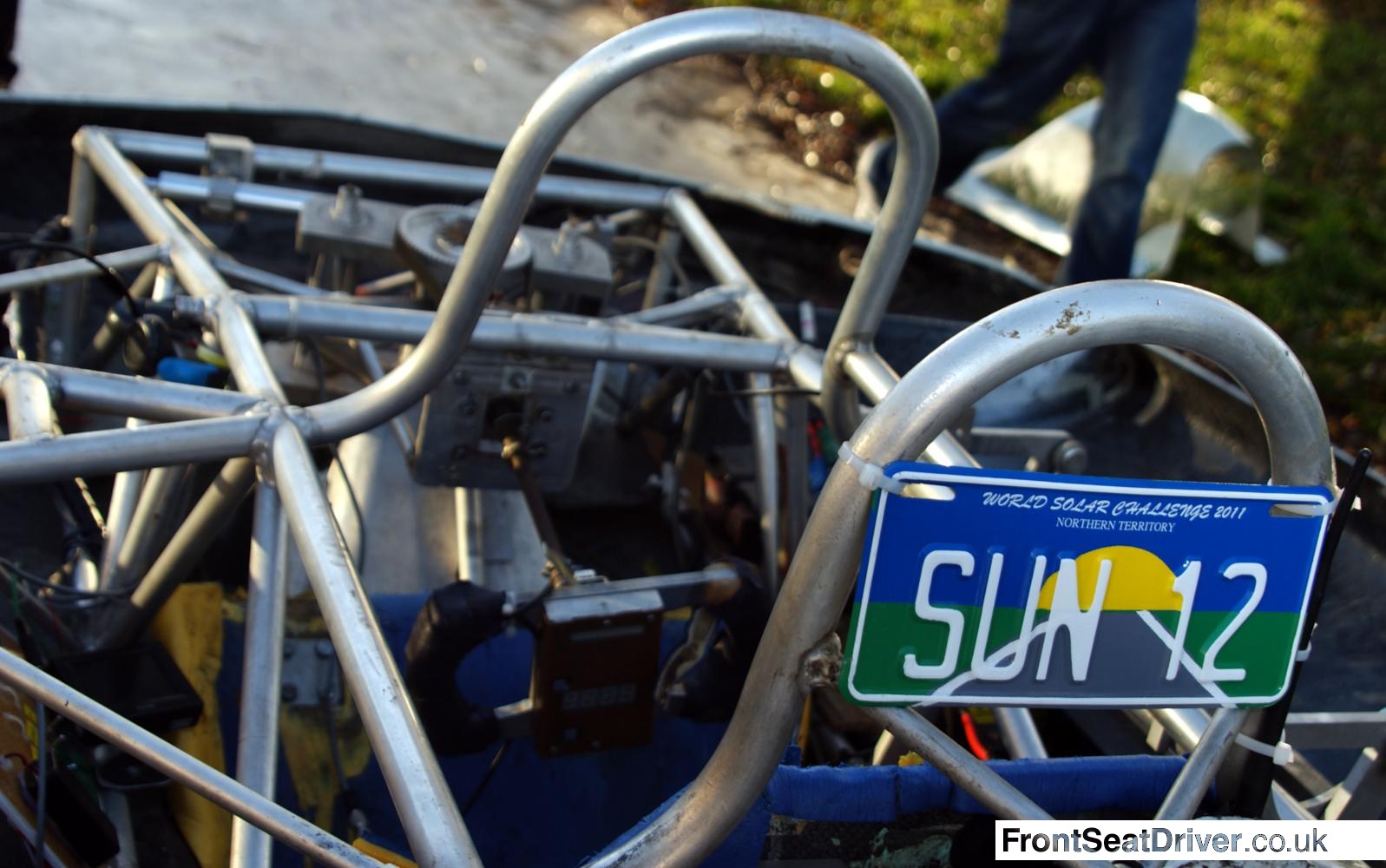
Despite being designed for a waif-like driver less than five and half feet tall, I managed to squeeze my ample frame through the safety cage and slide in to the driving seat. Many years of performing human origami in various racing cars has served me well and, despite my advancing years and waistline, it was ultimately only shoulder room that really caused any problems; thanks to broad shoulders, the canopy had to stay off.
Once I’d squeezed my left foot through a gap in the tubes that formed the chassis, it was time to switch on and drive.

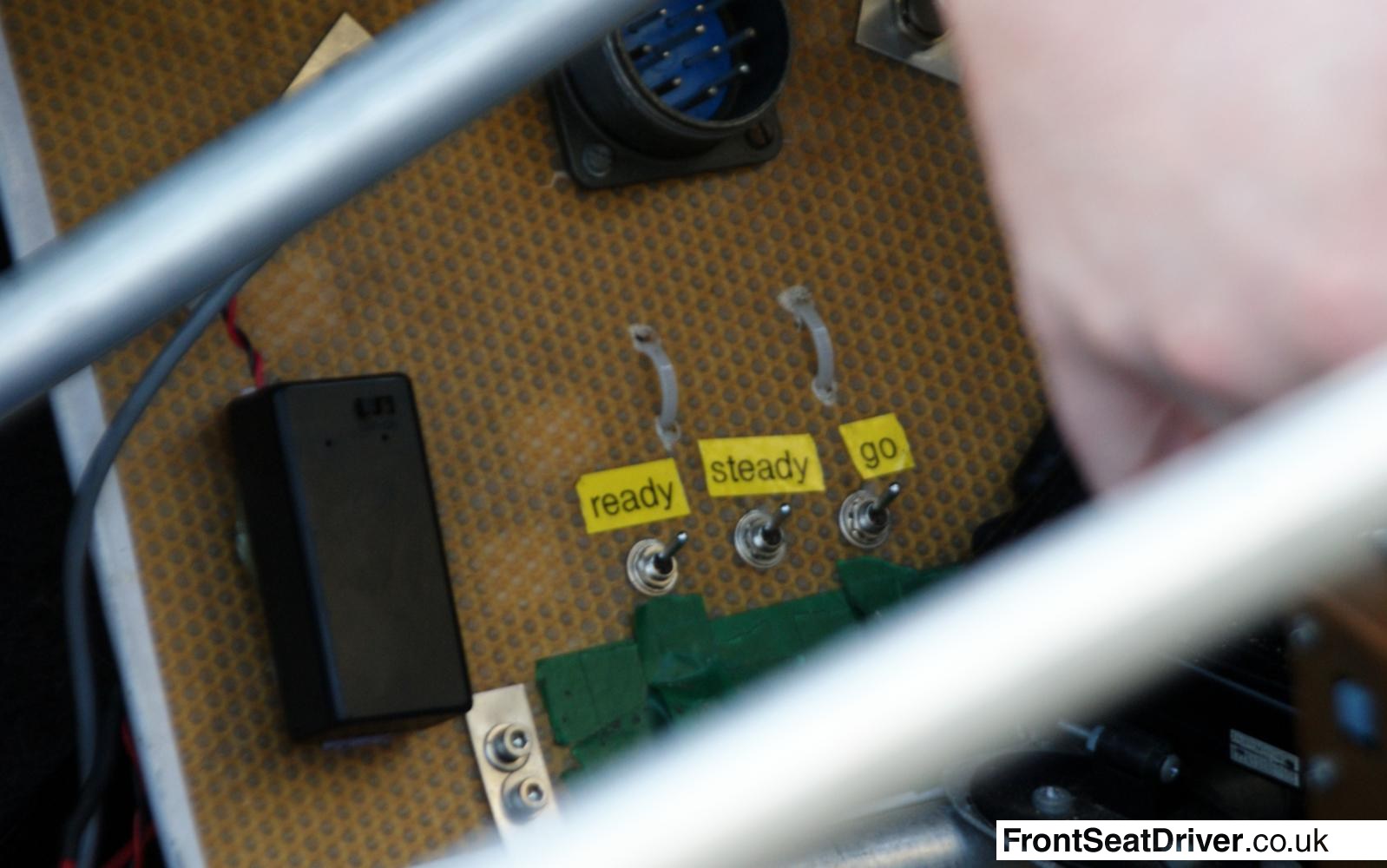
A row of switches, helpfully labelled Ready, Steady and Go, got Endeavour ready to roll. Sliding the speed controller to maximum, I waited for the clicks and whirrs to translate to forward movement and was soon away, heading down the streets of Cambridge.
I was driving a solar powered racing car.
A cool autumn day was not the ideal testing environment for a solar powered car, so my driving time was limited, but it was long enough to see just what the 2011 car was capable of.
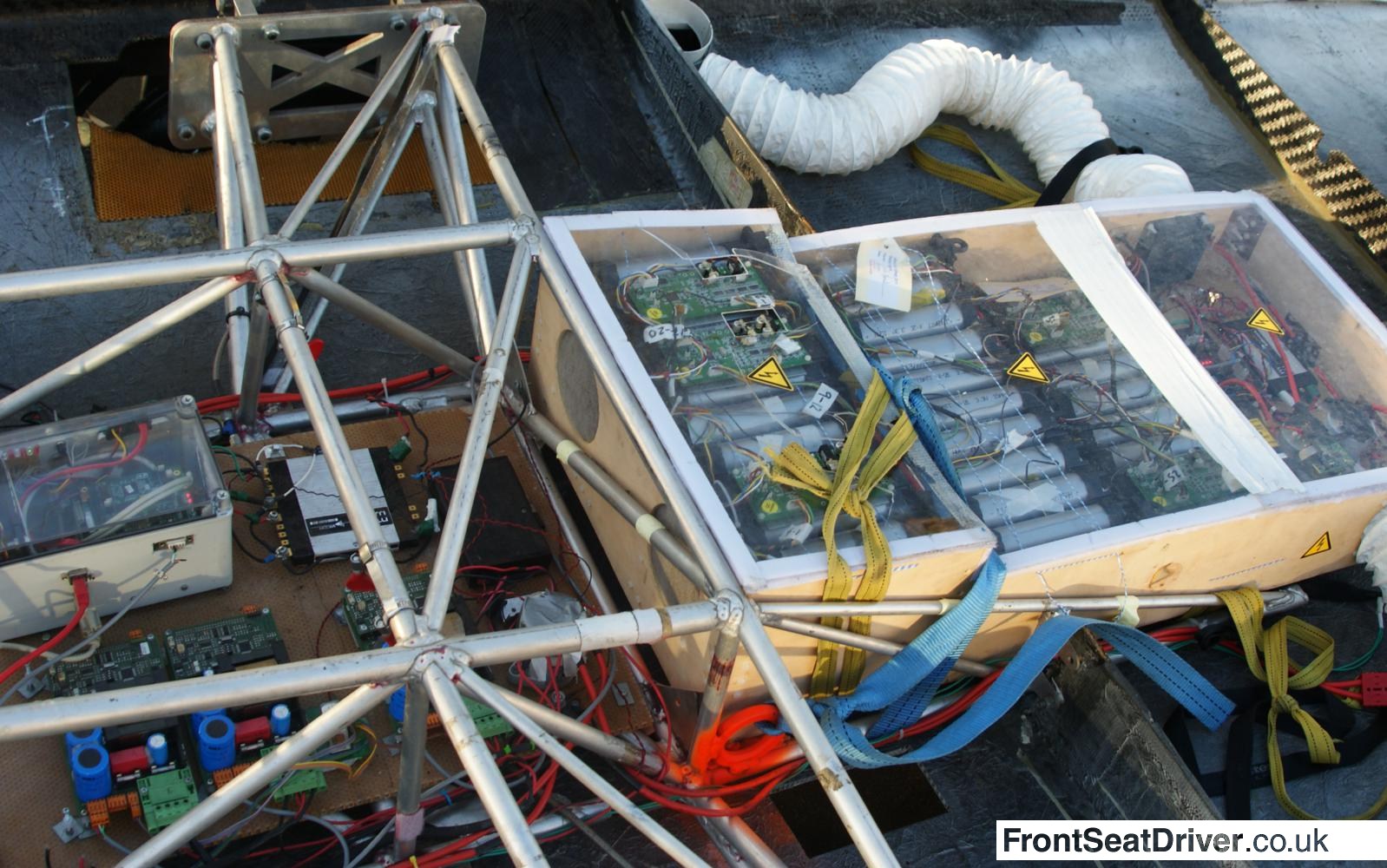
Despite being powered by nothing beyond six square metres of solar panelling and a battery pack less than 20% as powerful as that found in a Nissan Leaf, the car felt surprisingly powerful, a constant surge of torque increasing the speed continuously. I may have accounted for around 50% of the vehicles weight, but it responded well.
Handling was sufficiently good, although it’s worth bearing in mind that Endeavour is designed for the arrow straight roads that cross Australia rather than the more compact and twisty confines of Cambridge.
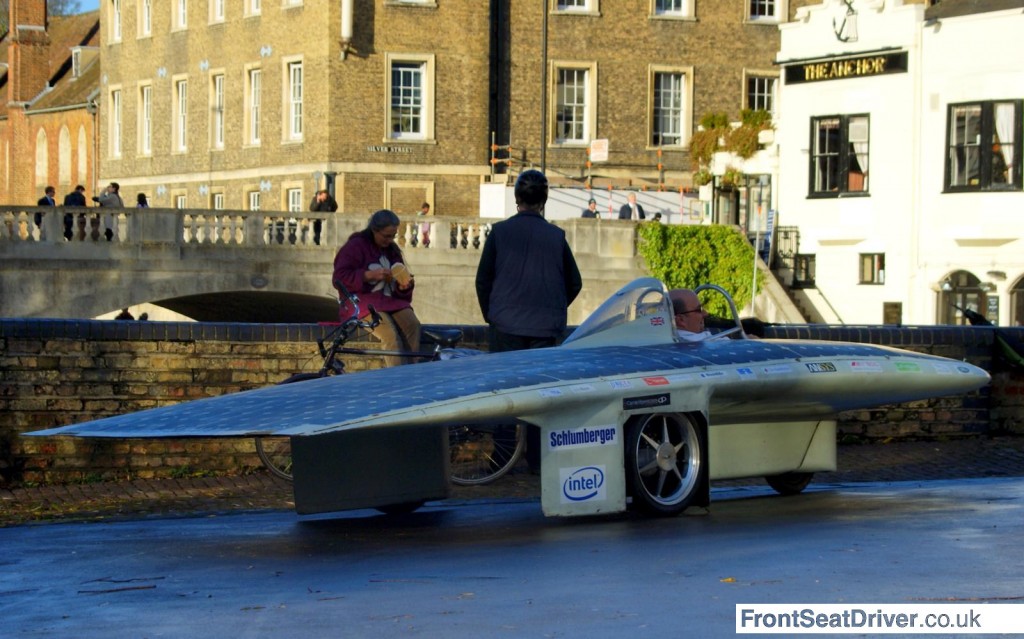
Ride quality lacked a certain finesse, as did braking, but that’s rarely a concern when trying to win races. However, it felt nimble enough to swerve round any errant kangaroos or koalas.
Endeavour was designed for the World Solar Challenge, a marathon race across Australia, from Darwin in the North to Adelaide in the South, that sees around 40 teams design and build solar powered cars each intent on getting to the finish line first.
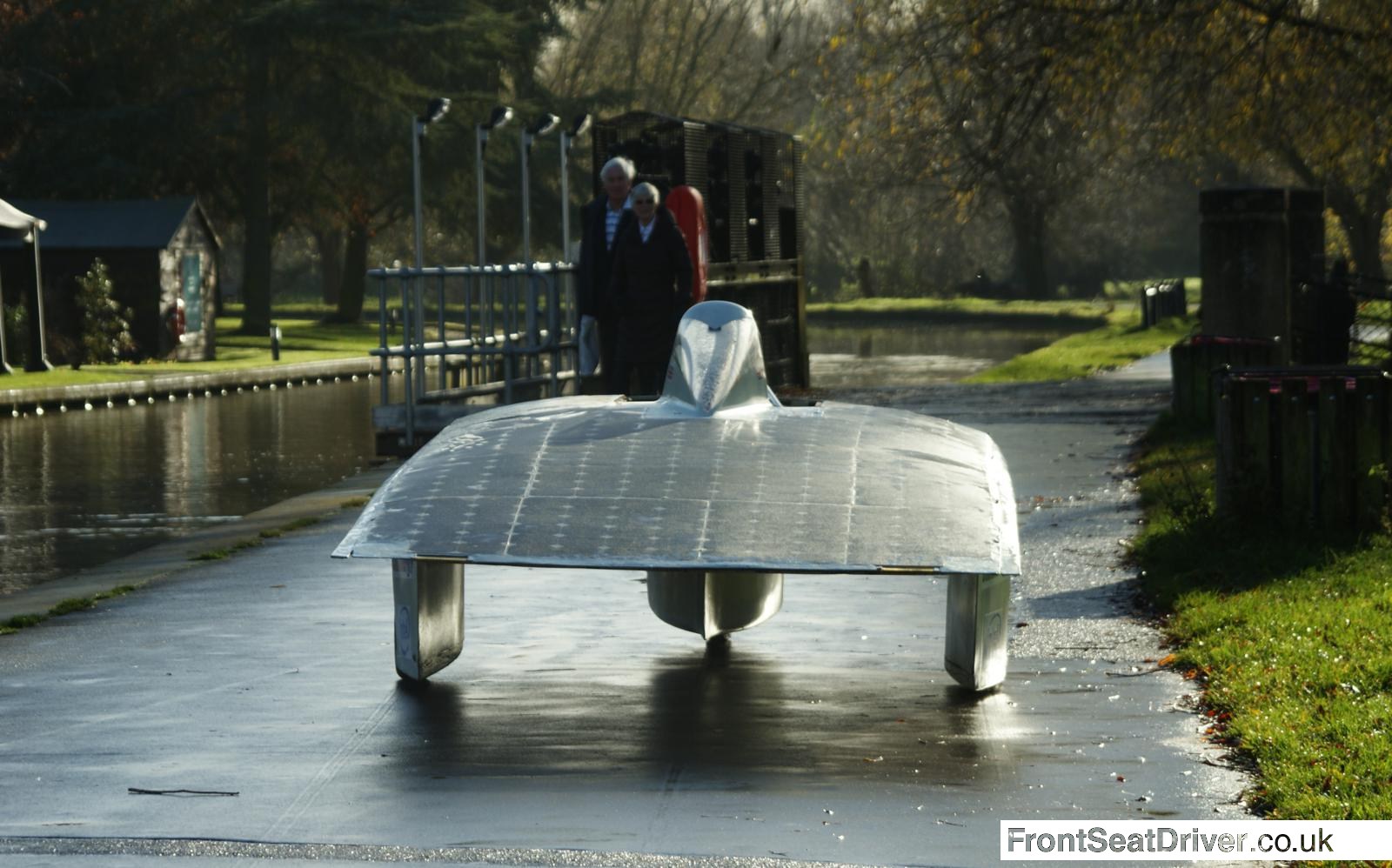
For the last twelve years or so, since the arrival of BP’s Quiet Achiever, design for these continental cruisers has stagnated with the now relatively common ‘table top’ style becoming dominant. The theory is simple; present a large area to place solar panels on and make the shape as aerodynamic as possible. More space equals more power, which then equals more speed.
The team from Cambridge University followed convention in 2009 with Endeavour’s table top design. However, with the top teams on budgets measured in multiple millions, the small University team could not compete by following the same basic design. It was time for a change.
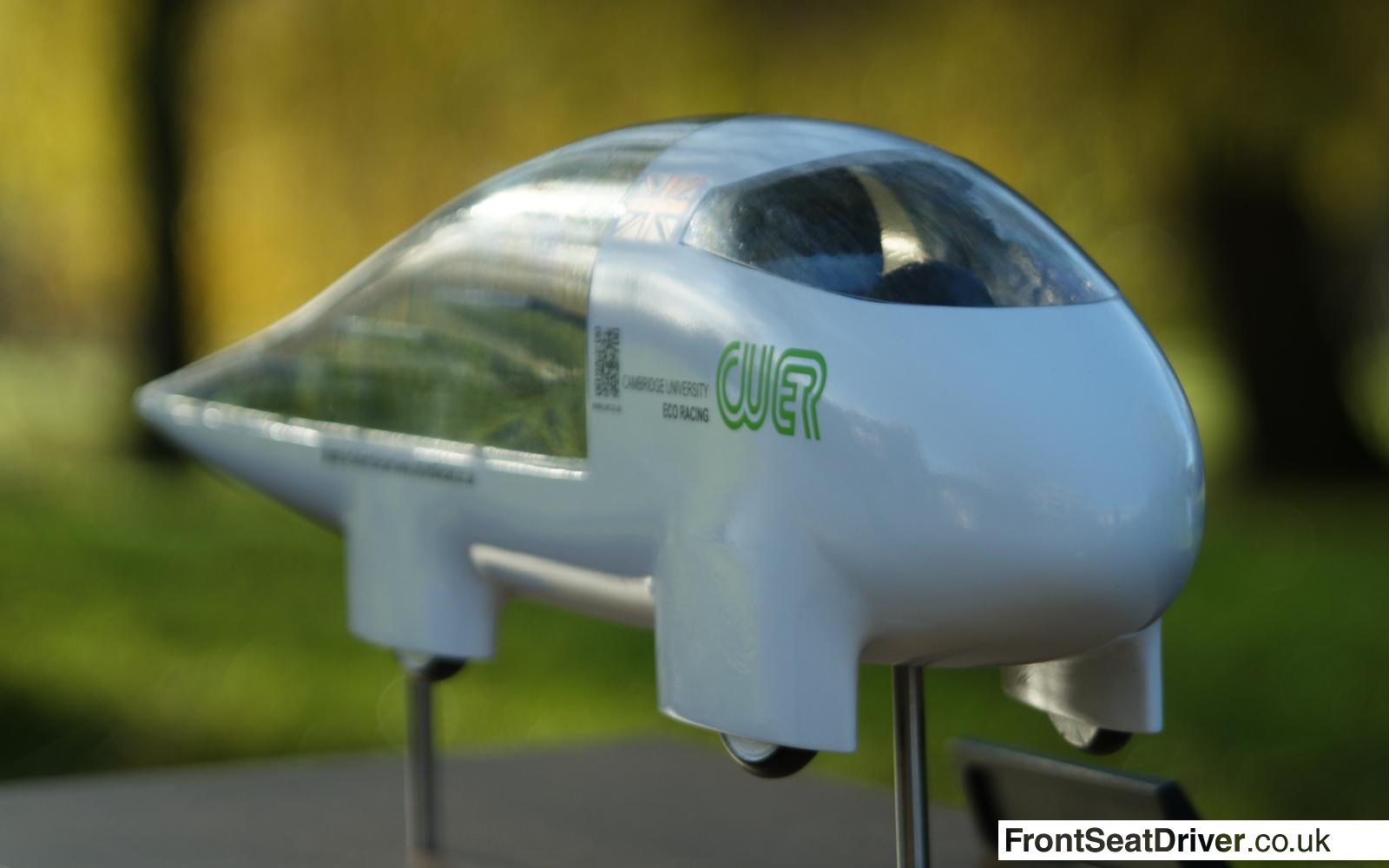
Revealed this week, the vehicle that the Cambridge University Eco Racing team believe will take them to the title in 2013, codenamed Daphne, sees new thinking that could have an impact on road cars of the future.

Taking an aerodynamic tear drop shape, the team have actually gone against convention and reduced the size of the solar panels on the back of the car, using just three square metres of panelling. That’s around half the area of the traditional designs and means they will be producing around half the power.
There is clever thinking behind the design, though. Firstly, the shape is inherently extremely efficient, with a CdA figure of 0.075; to put that in to perspective, the slippery Bugatti Veyron has a CdA of 0.745.
Where the team really hope to steal a march on their competition is in the positioning of the solar cells. Lined up behind the driver, the cells can be angled to fully face the sun. As the sun moves from east to west, this can lead to an increase of up to 20% in energy captured. The whole array is then encapsulated in a plastic cover to retain aerodynamic efficiency.
The net result of the compact design means the team are facing a shortfall of up to 40% in power compared to their competitors, but in a far more efficient and lightweight machine. Currently the vehicle weighs just 117 kg, but the target is to reduce that to 110 kg making it around 30 kg lighter than any other vehicle ever entered in to the race.
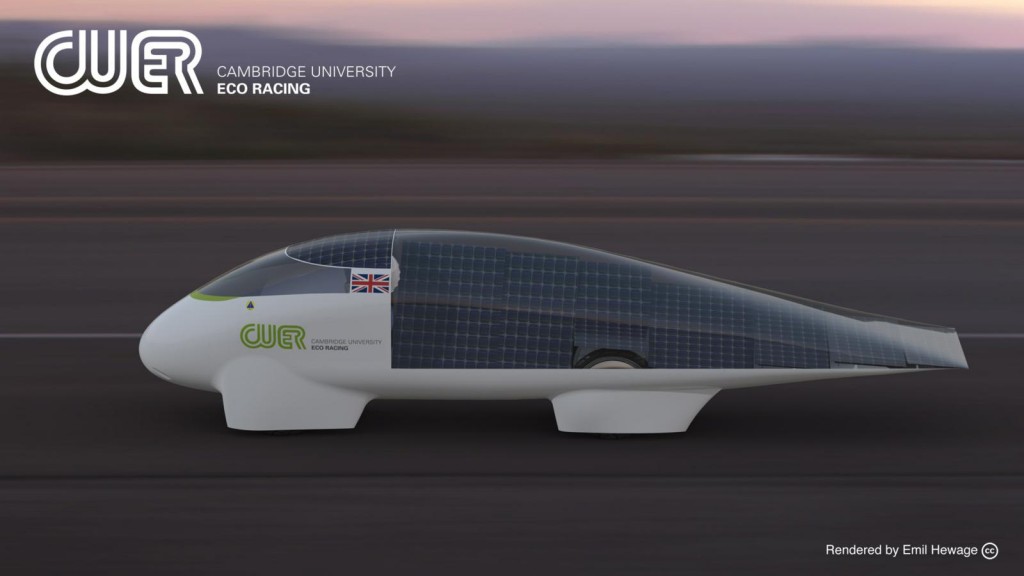
Whilst it’s clear that solar energy won’t be powering our own cars any time soon, as you would need a football field sized panel to push a family saloon along, the work going in to increasing efficiency, reducing weight and improving aerodynamics will be leading directly to developments on the road.
The 5 kWh battery pack can already propel Daphne for 500 miles, but new developments in battery technology will see cells that actually get cooler in use and therefore operate more effectively. Efficiency gains in the build process means that 98% of the energy collected by the solar cells makes it to the battery pack.
A composite suspension system will see the spring and dampers found on a normal vehicle combined in to one single piece of carbon fibre in a form that can move easily over to road cars, while it is hoped that some carbon fibre wheels can be developed to further reduce weight.
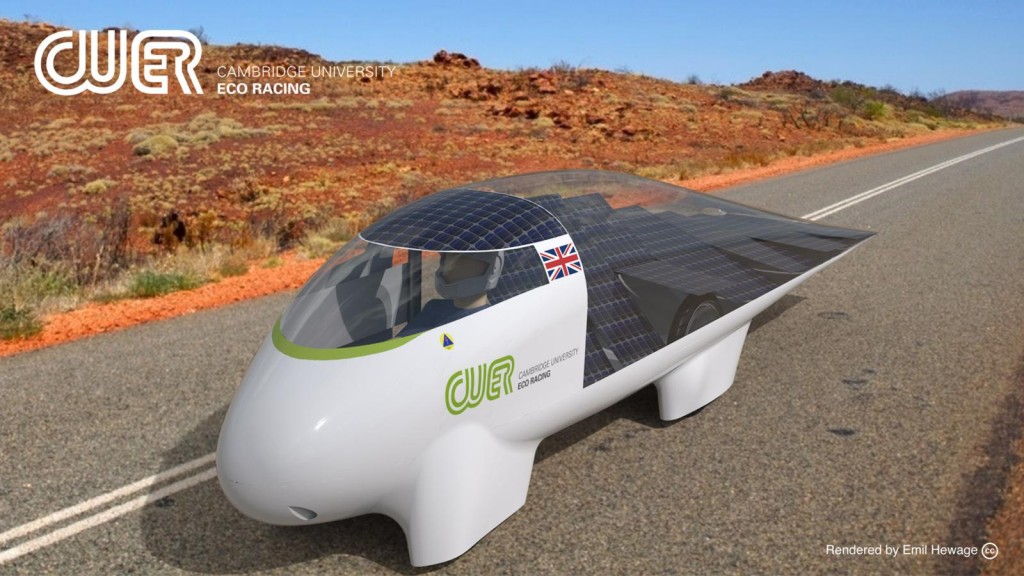
An intelligent ‘cruise control;’ system is also in development that will plan energy use in advance depending on terrain, traffic conditions and energy available. It is easy to see how this development alone could benefit road cars, especially electric vehicles.
Given the development work undertaken so far, and the potential shown by the ground breaking design, there’s every chance that this team of students could take their £500,000 budget and upset the teams from Holland, America and Japan who are spending 20 times that amount.
You can follow their progress at CUER.co.uk, or even help fund their challenge by visiting CUER’s Kickstarter page.
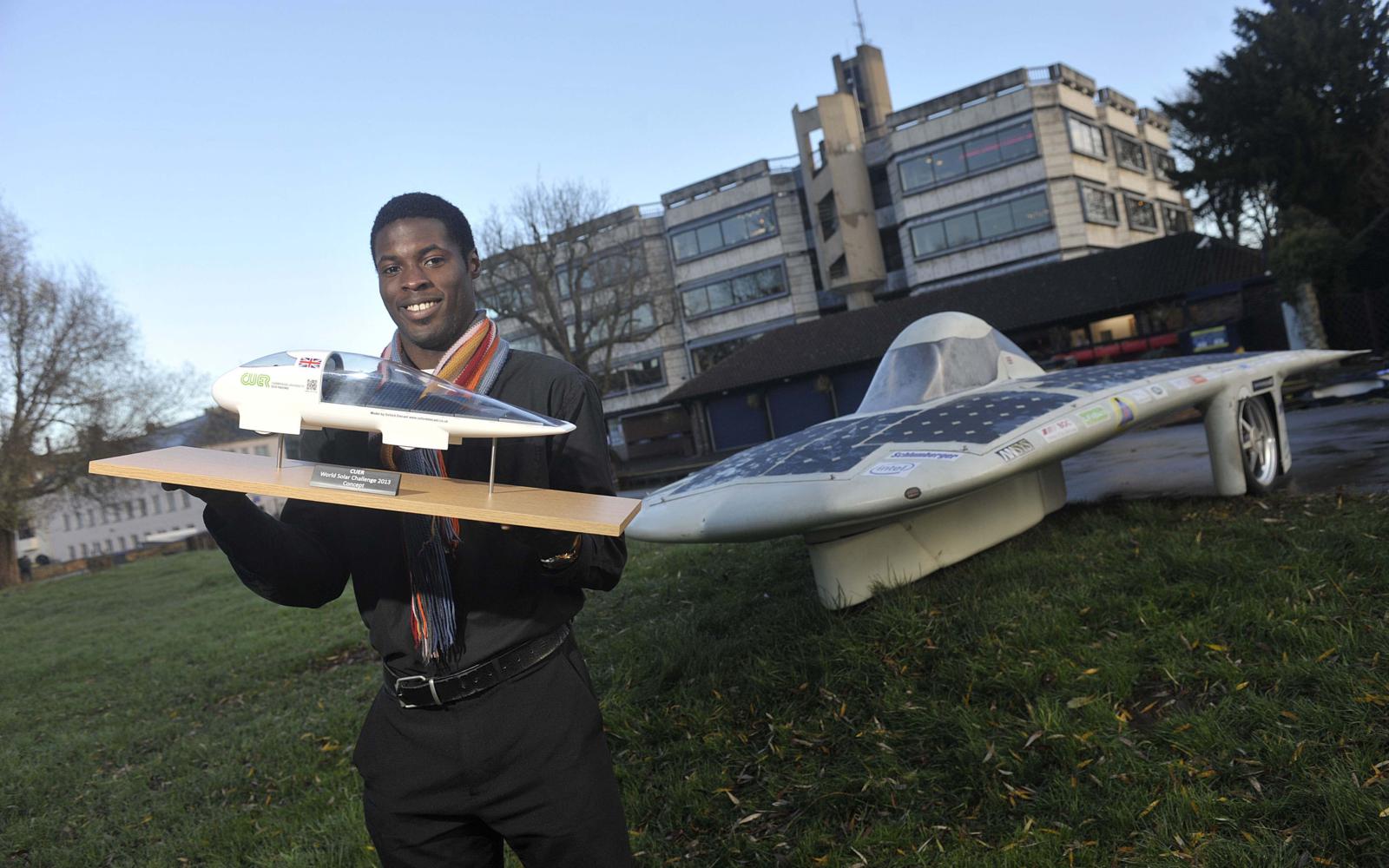







They won’t replace F1, but they’ll push technology to them. It’s all about maximising efficiency, something that is key to racing at all levels, it’s just that the World Solar Challenge stretches that enormously!
As for speed, they’re designed to drive at the Australian speed limits, so we’re looking at around 80 mph / 130 kph. There’s no doubt they could go quicker, but then you’ll start taking too much power out of the batteries. No idea on the 0-60 times, but I’ll see if I can find out.
Wow Phil, that is one elaborate looking car. They’re interesting, no doubt. But can this really ever transcend racing as we know it now? Can you actually imagine the F1 being replaced with drivers racing these things?
Picturing that just looks like something out of The Jetsons. Maybe it’s the reality of our future, but I’m not sure I like it.
How fast do these things go? How quick do they do 0-60?